
Build
Lifecycle Journey Build
Turn HubSpot lifecycle stages into a B2B growth framework that reflects how your business actually works.
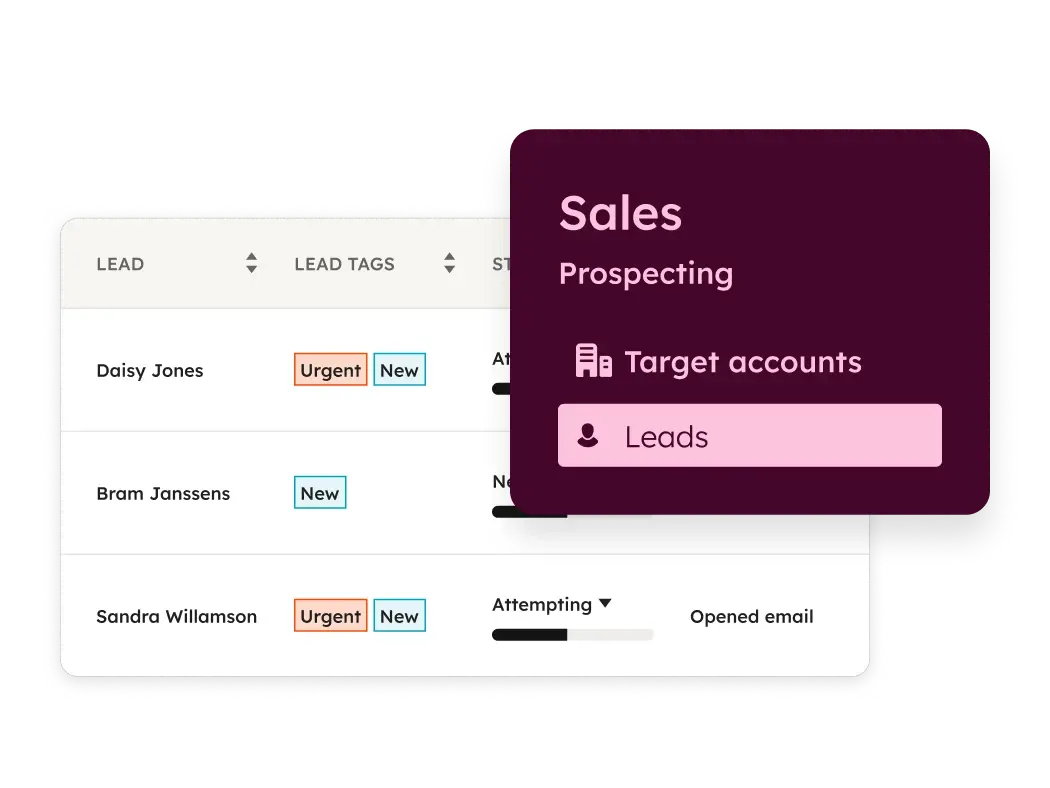
Does this sound familiar?
Your lifecycle stages don’t reflect your real customer journey. Different teams interpret stages differently. Contacts move through HubSpot without clear rules or ownership. Marketing and sales disagree on when a lead is ready to progress. Lifecycle journey reporting is close to impossible.
How we help
Lifecycle stages are a core HubSpot concept, but something that can create confusion. Not every CRM uses them in the same way, and HubSpot’s default model often feels closer to a SaaS-style funnel than the reality of a complex B2B buying journey.
We help you define what each lifecycle stage should actually mean for your business. That includes mapping the real customer journey, agreeing entry and exit criteria, defining ownership and handoffs, and deciding what should happen when a contact progresses or falls out of the process.
We can also build the lead triage, automation, routing and other guardrails needed to make the lifecycle work consistently in practice. The goal is to turn this into a framework that connects marketing, sales and makes lifecycle journey reporting reliable.
What this means for you
A lifecycle model that gives your teams a shared language for how prospects move through the business.
Marketing knows what qualifies as meaningful progression. Sales knows when and why a lead is being handed over. Leadership gets cleaner reporting on conversion and pipeline. And HubSpot can automate more of the process because the underlying definitions are clear.
Instead of lifecycle stages being a set of labels that mean different things to different people, they become part of the operating model: supporting lead triage, ownership, handoffs, automation and measurement across the funnel.