Services | HubSpot Implementation
HubSpot implementation, built around how your business operates
A HubSpot implementation should do more than configure tools. It should reflect how your business works across marketing, sales, and customer operations. Growth London designs and builds HubSpot environments from the ground up, including CRM structure, pipelines, automation, reporting, and integrations
What is HubSpot implementation?
HubSpot implementation is a fully managed service where your CRM, processes, and data are designed and built for you.
It includes structuring your CRM, configuring pipelines and lifecycle stages, setting up automation, building reporting, and connecting HubSpot to your wider systems.
HubSpot implementation often includes migrating contacts, companies, deals, and historical activity from your existing systems, ensuring continuity and data integrity from day one.
When do you need HubSpot implementation?
Typically when you are moving to HubSpot from another system, redesigning how your CRM should work, or need a clean, structured setup delivered without relying on internal teams to build it.
How does implementation differ from onboarding?
Onboarding focuses on getting the essentials in place quickly, with a focused approach.
Build the right foundations across HubSpot
We implement HubSpot across all core areas, ensuring your setup is consistent, connected, and aligned for all teams.
Marketing Hub
Sales Hub
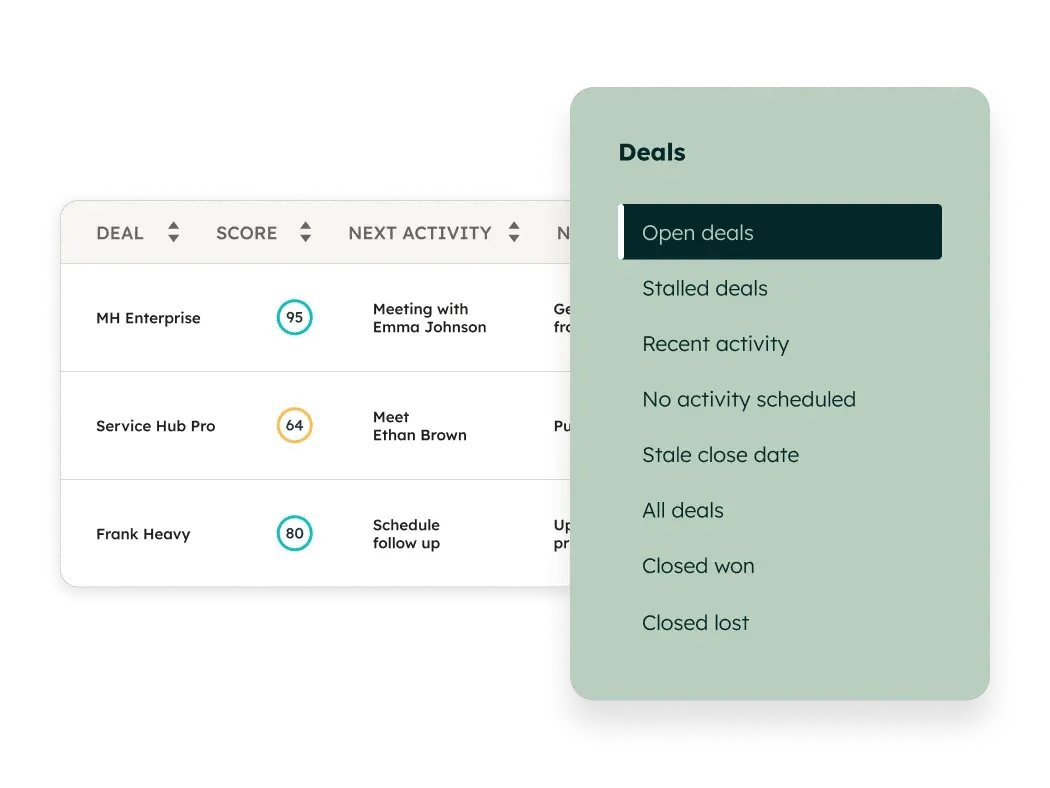
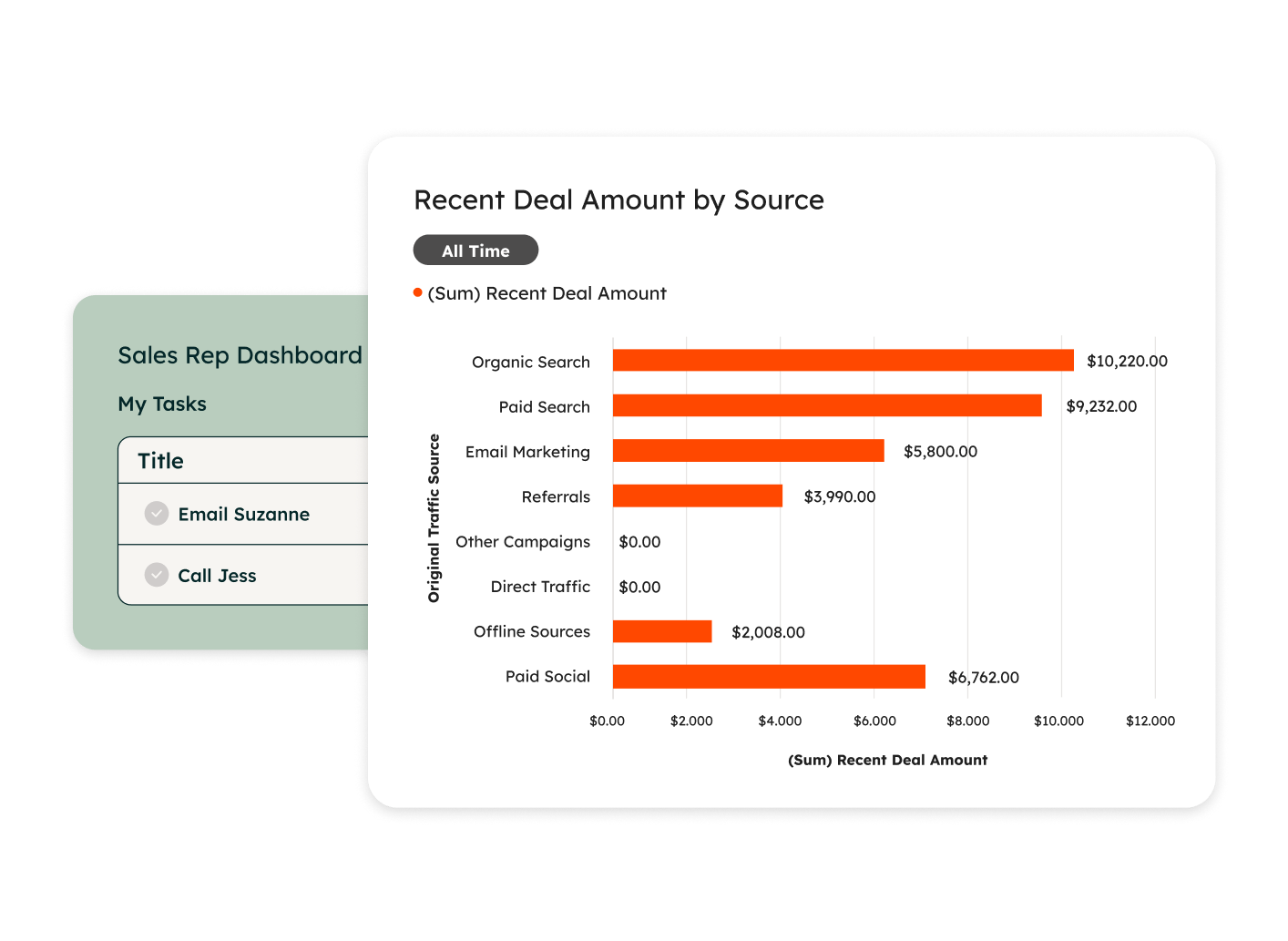
Design pipelines, deal stages, lead routing, and automation to reflect your real sales process and improve pipeline visibility.
Service Hub
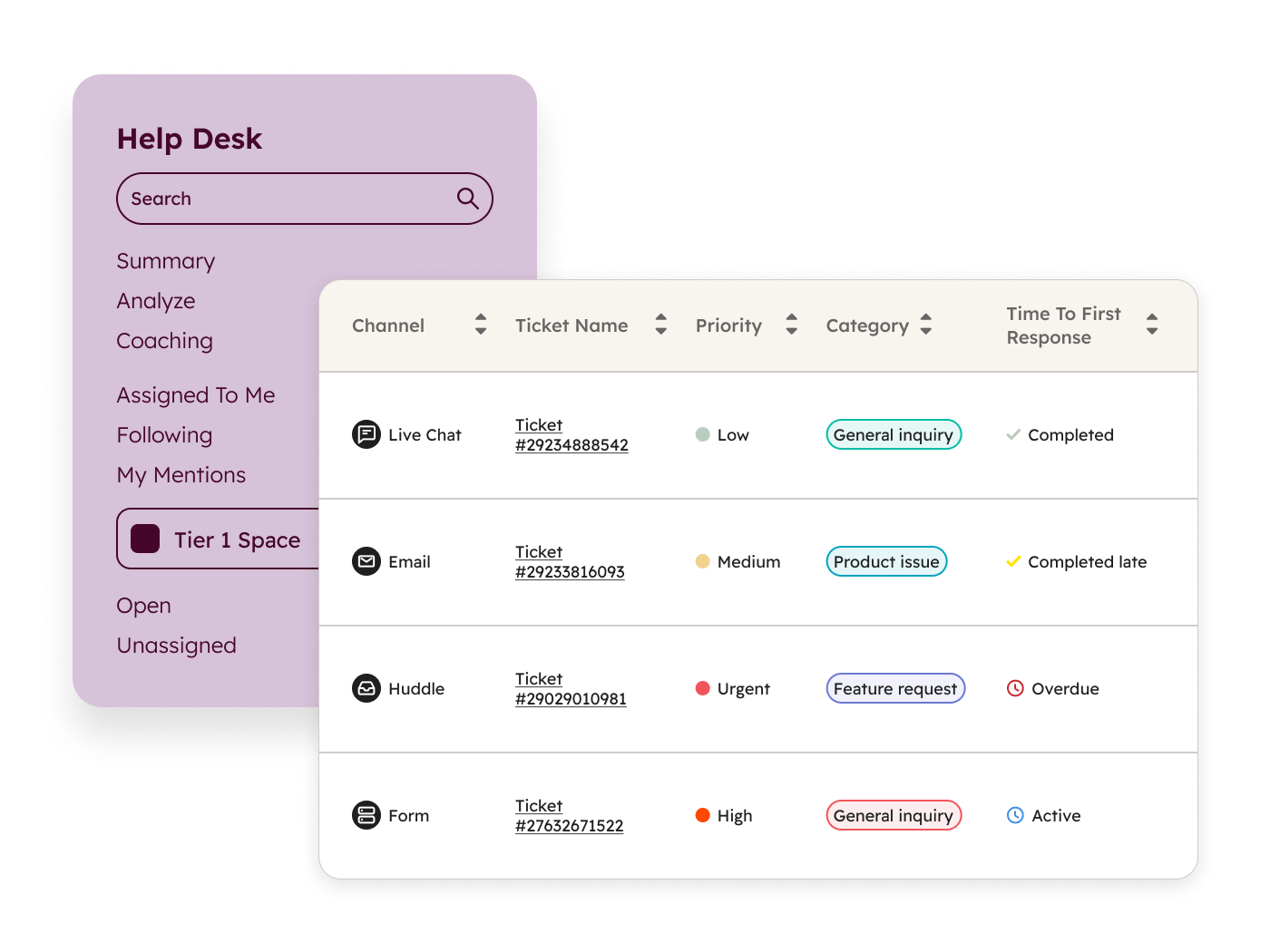
Configure ticketing pipelines, onboarding processes, and service reporting so customer interactions are structured and trackable.
Content Hub
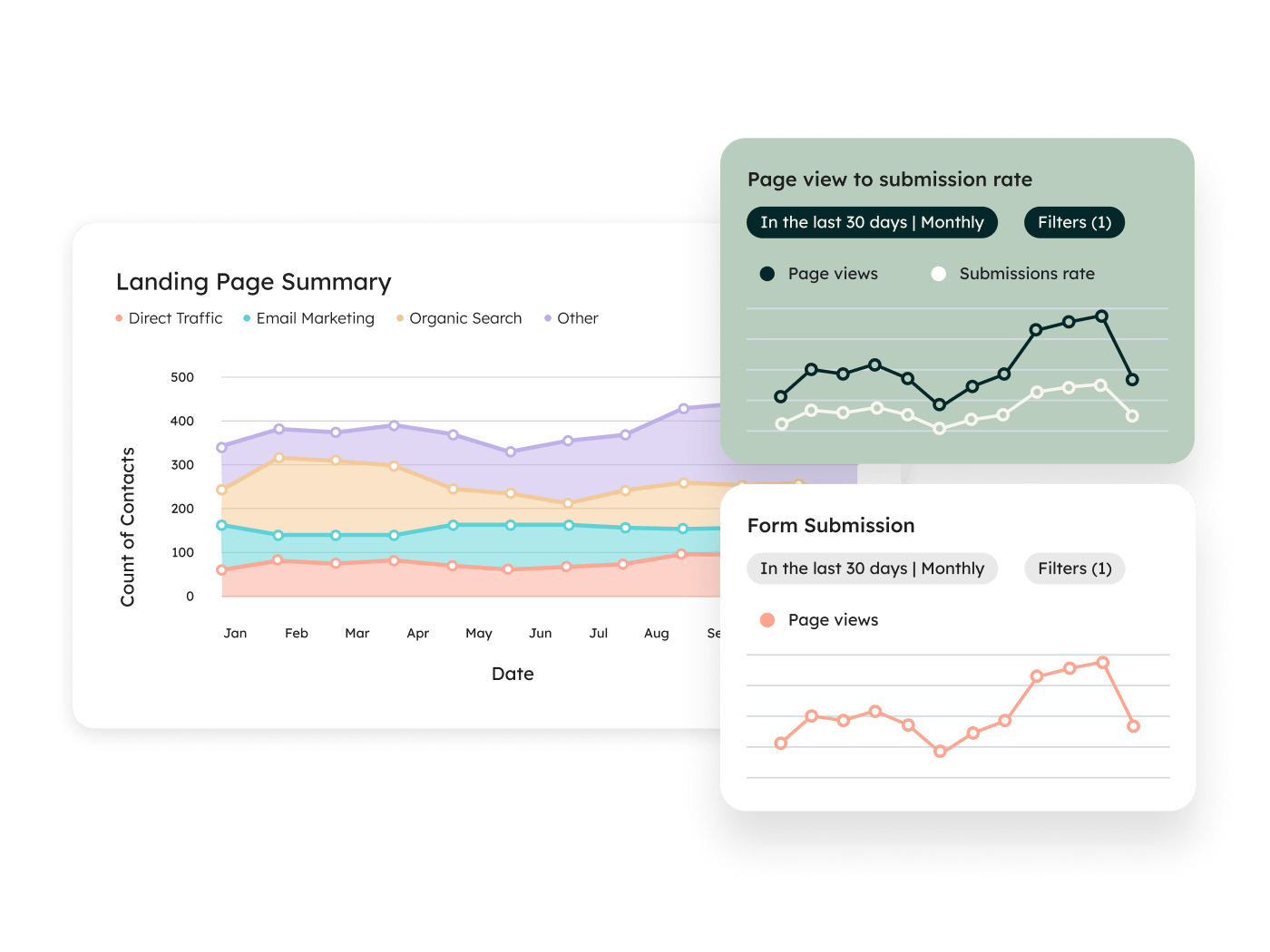
Build the foundation for blogs, landing pages, and content experiences that connect directly to your CRM and marketing activity.
Revenue Hub
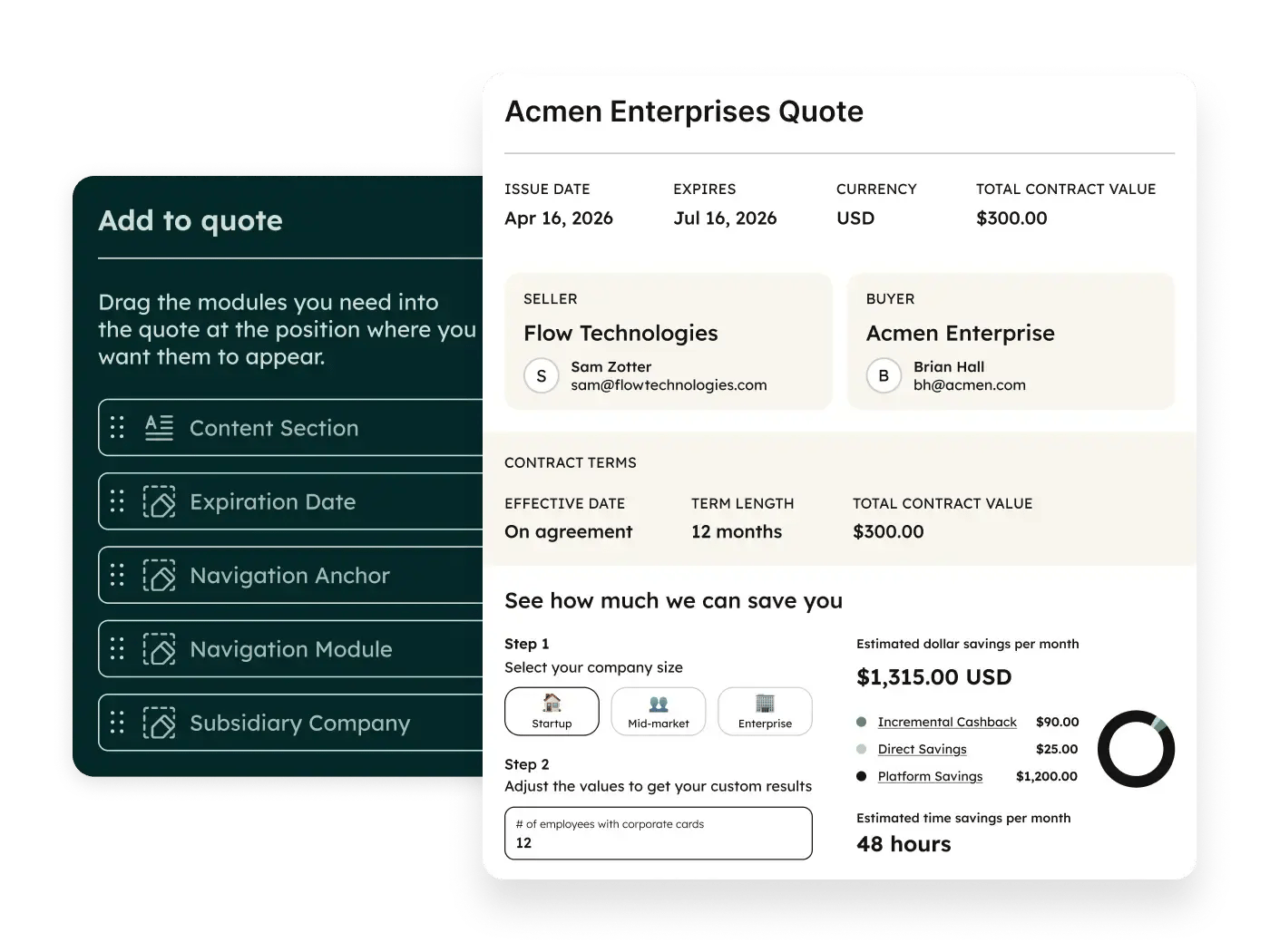
Configure quotes, payments, and revenue-related tools to support commercial processes within HubSpot.
Smart CRM and platform foundations
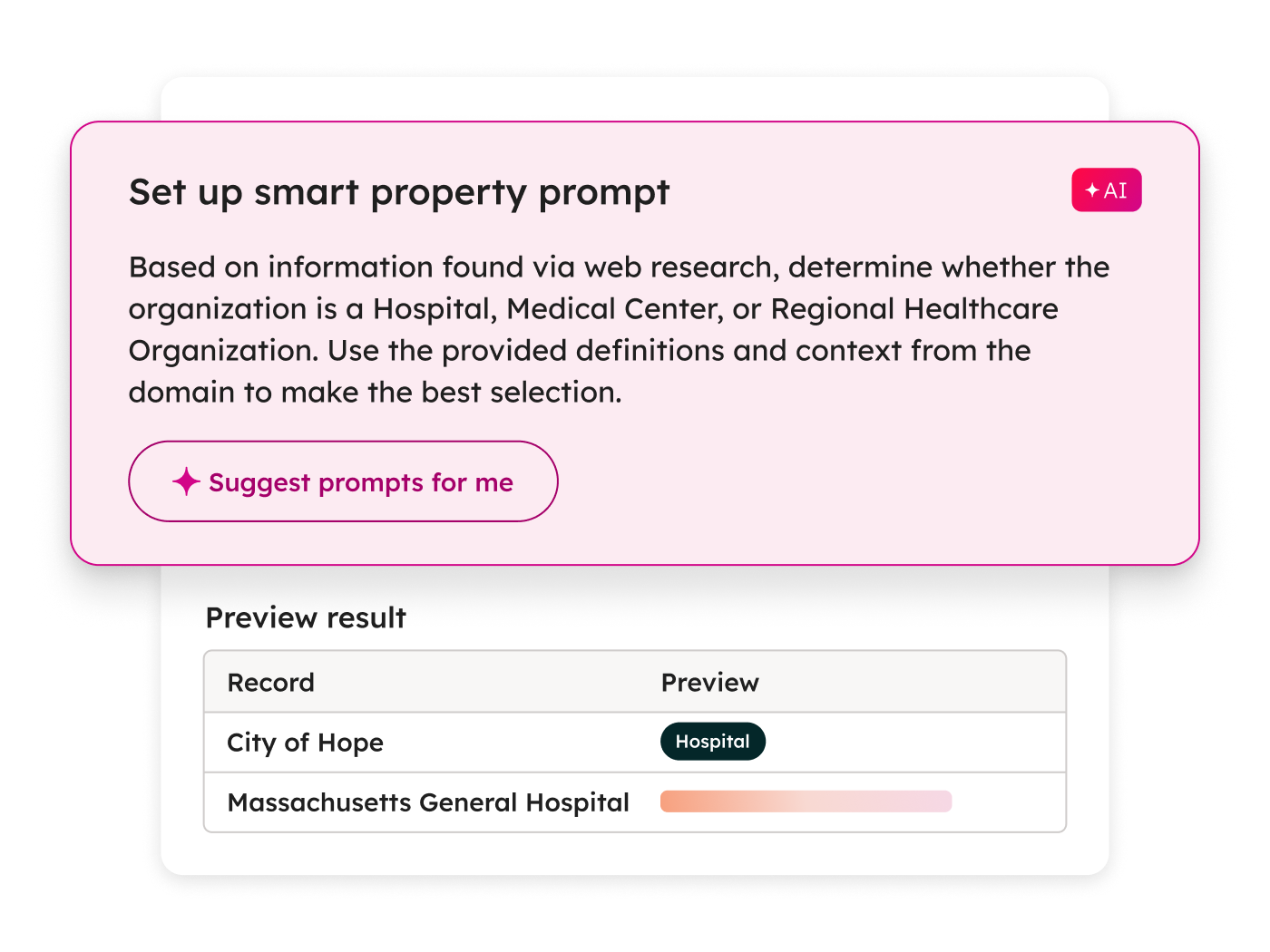
Design the underlying data model, including properties, lifecycle stages, segmentation, reporting structures, and governance.
How HubSpot implementation works
We design and build HubSpot around your business, from data structure and processes to automation and reporting, creating a system that works reliably.
Initial discussion
We understand your current systems, processes, and goals.
Scoping and planning
We define the areas of focus and structure the implementation approach.
Build and configuration
We design and configure your CRM, pipelines, automation, reporting, and integrations.
Review and handover
We validate the setup, ensure alignment, and prepare your team to start using the platform.
What a well-implemented HubSpot platform looks like
A strong implementation creates a platform your teams can rely on as the foundation for how they operate.
A clear and structured CRM
Contacts, companies, deals, and lifecycle stages are defined in a way that reflects how your business actually works.
Pipelines that reflect reality
Automation that supports your teams
Workflows reduce manual work and ensure leads, deals, and customer interactions follow consistent processes.
Reliable reporting and visibility
A connected system
HubSpot integrates with your wider tech stack so data flows consistently across systems.
A platform built to scale
FAQ
HubSpot implementation is a managed service.
Growth London designs and builds your HubSpot environment, including CRM structure, automation, pipelines, reporting, and integrations.
HubSpot onboarding is a guided service.
Your team builds the platform with expert support, developing internal capability as part of the process.
Implementation is the right choice when you need HubSpot designed and delivered properly, without relying on internal teams to build it.
You might be asking:
-
How should our CRM, pipelines, and lifecycle stages be structured for our business?
-
How do we migrate from our current CRM into HubSpot?
-
How do we design automation that supports marketing, sales, and customer teams?
-
How do we connect HubSpot with our existing tools and data sources?
-
How do we ensure reporting gives leadership a clear view of performance?
-
How do we avoid creating a system that becomes difficult to maintain?
If the setup is complex or business-critical, implementation is typically the better approach.
Not necessarily. Implementation is designed to reduce the reliance on internal teams for building the system, although collaboration is still important for alignment.
Yes. Implementation often includes migrating contacts, companies, deals, and associated data from existing systems into HubSpot.
If you are new to HubSpot or your current setup is fundamentally misaligned, implementation is usually the better approach. If the platform is already in place but underperforming, optimisation may be more appropriate.
The cost of implementation depends on the hubs involved, the complexity of your processes, and whether integrations or data migration are required.
As a guideline:
Single hub implementation: from £6,000
Multi-hub or complex implementations: from £8,000 to £20,000
More advanced environments may require additional scope, particularly where integrations, migrations, or custom data structures are involved.
Build a system that supports growth
A well-implemented HubSpot platform becomes the foundation for how your teams operate. Getting the structure right early avoids rework, improves adoption, and ensures your data and reporting can be trusted. We help you build it the right way from the beginning.