Case Study
Automating HubSpot segmentation with Smart Properties
Growth London helped Centre for Public Impact create a cleaner, more scalable CRM foundation, using HubSpot Smart Properties and automation to make audience segmentation easier to maintain at scale.

Making audience data easier to use
Centre for Public Impact (CPI) is a global organisation working with governments, public servants and changemakers to help reimagine government and public impact.
Over time, its HubSpot database had accumulated inconsistent and incomplete information, making it harder to segment organisations and contacts reliably. CPI needed a structure that would make the data more useful for targeted communications, relationship management and future reporting, without creating an ongoing manual data-management burden.
Growth London worked with CPI to simplify the underlying CRM structure, define clearer segmentation and lifecycle logic, and create repeatable processes for keeping data consistent as new records enter HubSpot.
Creating a clearer audience structure in HubSpot
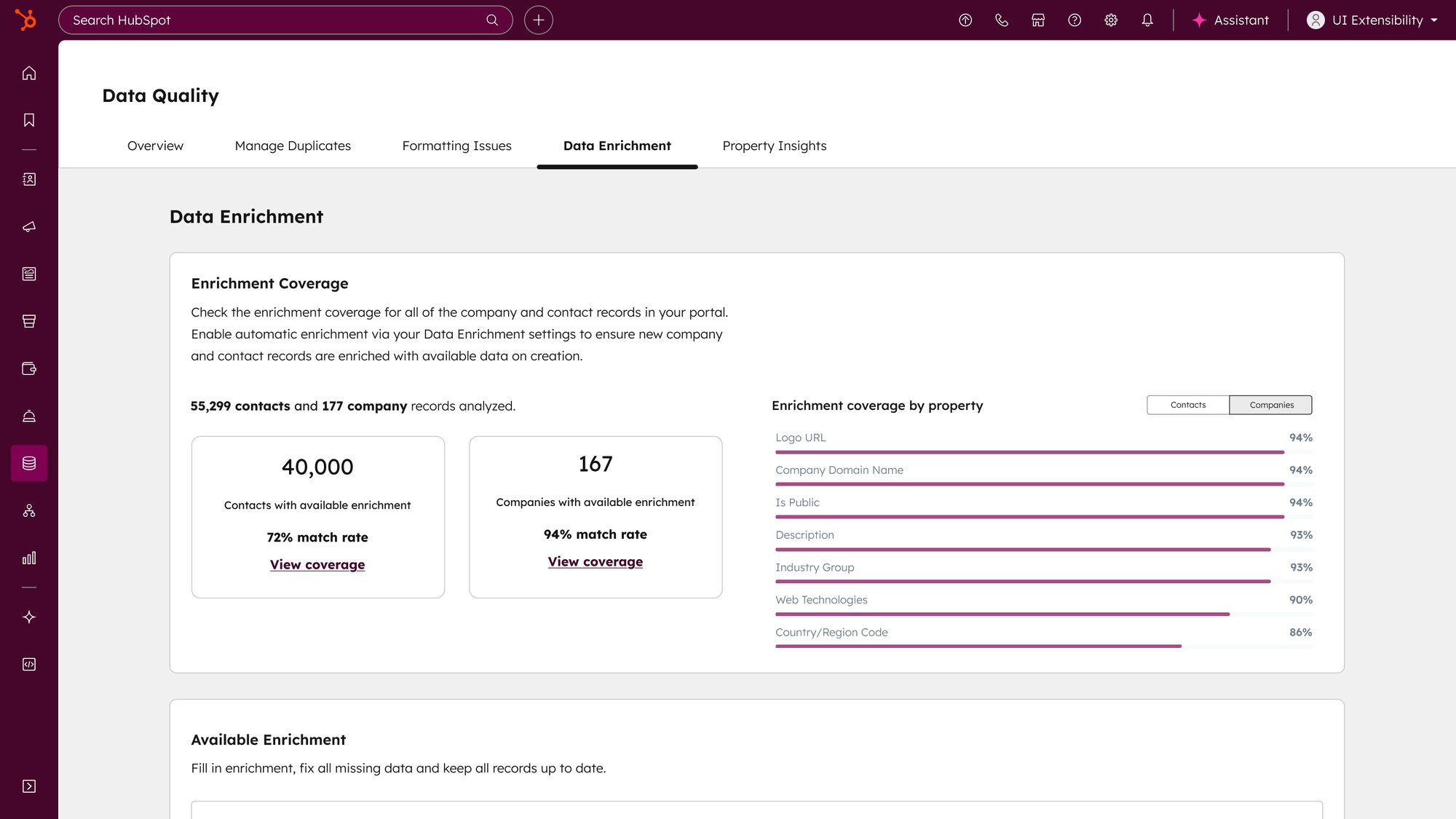
As part of the database restructure, we introduced a consistent segmentation framework covering CPI’s key audience groups, areas of focus and geography.
Segmentation was structured primarily at company level, with relevant information carried across to associated contacts. This created a more consistent way to organise audiences across HubSpot and reduced the need to maintain the same information in multiple places.
With the structure in place, the next challenge was applying it efficiently across the existing database.
Using Smart Properties to reduce manual segmentation
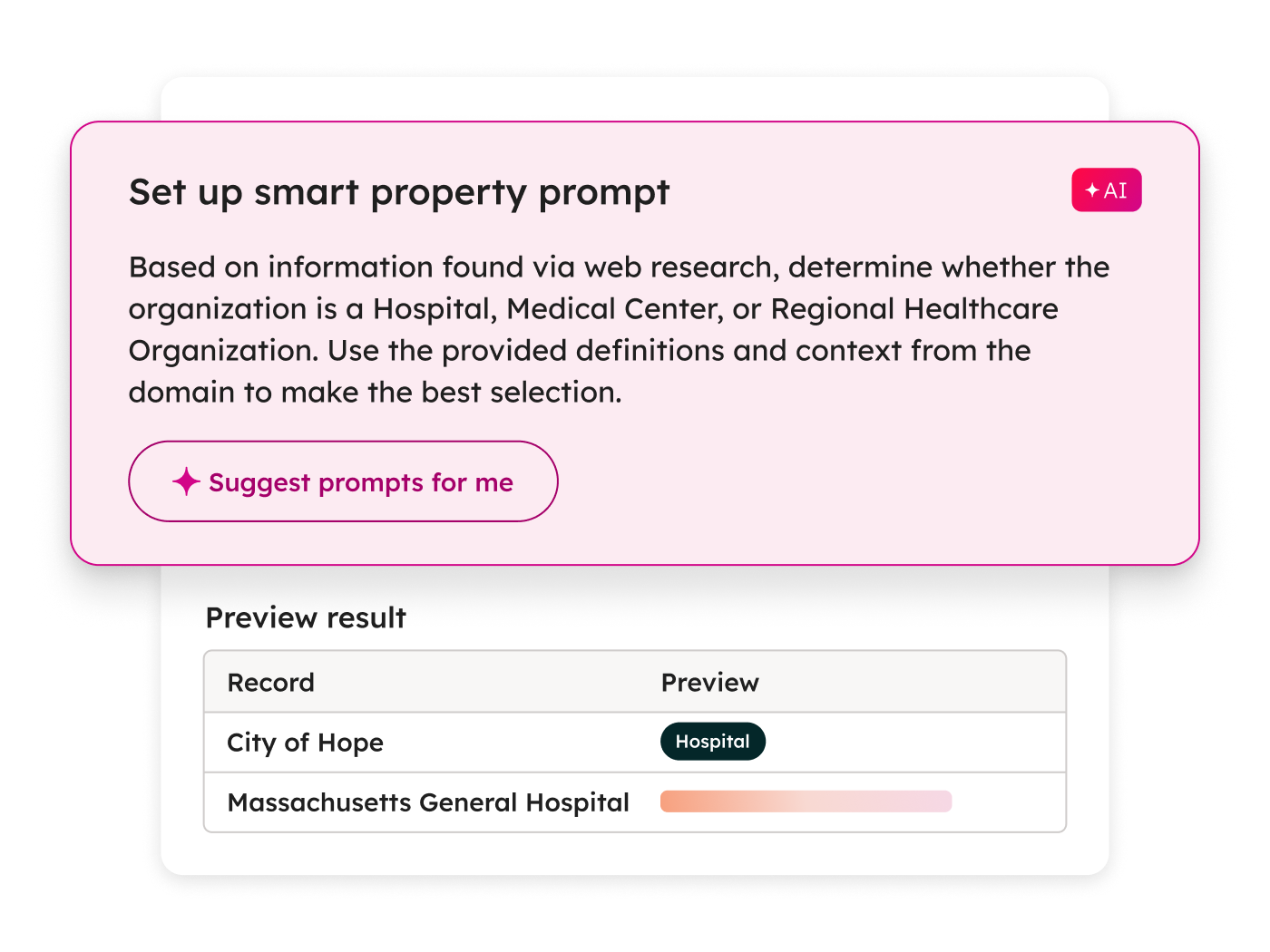
The most interesting part of the project was how HubSpot Smart Properties could be used to make a traditionally manual CRM task, or a task requiring a third-party data enrichment tool, much more scalable.
In this project, we used Smart Properties to help classify company records against the agreed segmentation framework. Automation then carried the relevant information into the wider CRM structure.
We wanted to maintain a practical balance between automation and data governance. AI-supported enrichment did the repetitive work in the background, while the CRM structure retained clear rules for where human judgement was still needed.
For organisations with large existing HubSpot databases, this is a useful example of how HubSpot's AI features can help keep segmentation up to date over time, reducing the risk of data becoming stale once an enrichment project is complete.
A cleaner, more scalable CRM foundation
The project moved CPI away from relying on inconsistent legacy data and manual classification towards a structured CRM model that can be maintained more systematically.
Automated segmentation
Clearer lifecycle management
More consistent data
Data now follows a defined segmentation structure, making future data capture, imports and reporting easier to manage.
Services provided:
Smart Properties and AI-enabled data enrichment, CRM segmentation, lifecycle journey design
FAQ
Smart Properties can be used to research, classify and enrich CRM records using AI. For example, they can help identify company type, industry, audience segment or other characteristics that are not consistently available in existing CRM data.
Smart Properties can use a mix of public web data and information already available in HubSpot, including CRM properties, calls, emails, meeting transcripts, notes and selected files. The exact sources depend on how the Smart Property is configured.
See what smarter segmentation could look like
See how we can help you tackle your HubSpot CRM challenges, improve the way your teams work and get more from the platform. Explore our services or get in touch to discuss what you’re looking to achieve.